Our Location
304 North Cardinal St.
Dorchester Center, MA 02124

304 North Cardinal St.
Dorchester Center, MA 02124
Factory vs Trading Company: Which Is Better for Custom Cosmetic Bags? Here are some tips for your decision.
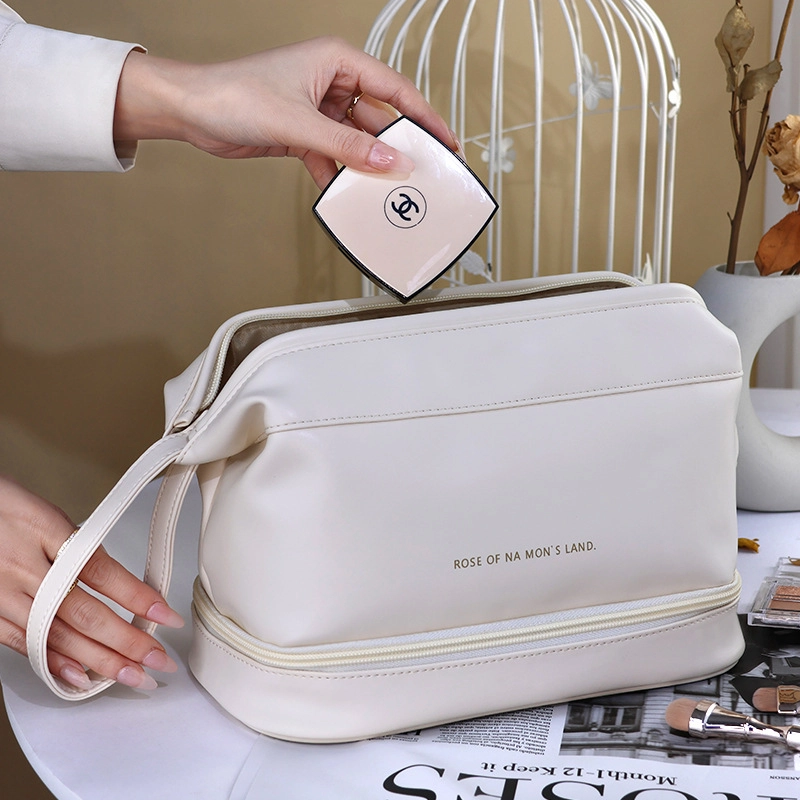
If you are planning to develop custom cosmetic bags, one of the first questions you will probably ask is:
For many buyers, the answer seems obvious. Factory prices are often associated with lower costs, while trading companies are sometimes viewed as unnecessary middlemen.
However, the reality is much more complex.
In today’s global supply chain, many successful brands, retailers, and e-commerce businesses work with both factories and specialized sourcing partners, depending on their product strategy and business goals.
Choosing the right manufacturing partner can influence far more than product pricing. It can affect product quality, communication efficiency, sampling speed, production flexibility, lead times, and even the long-term stability of your supply chain.
This is especially true for custom cosmetic bags.
Unlike standard stock products, custom cosmetic bags often involve multiple production stages and specialized components, including:
A single factory may excel at one type of product but have limited experience with another. Likewise, a sourcing partner may coordinate different manufacturing resources to match the specific requirements of each project.
Rather than asking,
“Which is better?”
a more practical question is,
“Which sourcing model best fits my business?”
This guide explores the key differences between factories and trading companies, explains how custom cosmetic bags are typically developed, and highlights the factors buyers should consider before making a sourcing decision.
Whether you are launching a new beauty brand, expanding a retail collection, or developing promotional products, understanding these differences can help reduce sourcing risks and improve long-term business outcomes.
For many years, sourcing products from China was often viewed as a simple decision.
Find a factory 👉Negotiate a price 👉Place an order 👉Receive the goods
Today’s market is different.
Consumer expectations have changed.
Retail competition has increased.
Private label businesses continue to grow.
Online sellers launch products faster than ever before.
As a result, product development has become more complex.
A cosmetic bag is no longer simply a small pouch with a zipper.
Many buyers are looking for products with features such as:
Meeting these expectations often requires expertise across multiple production processes.
For example, one project may involve:
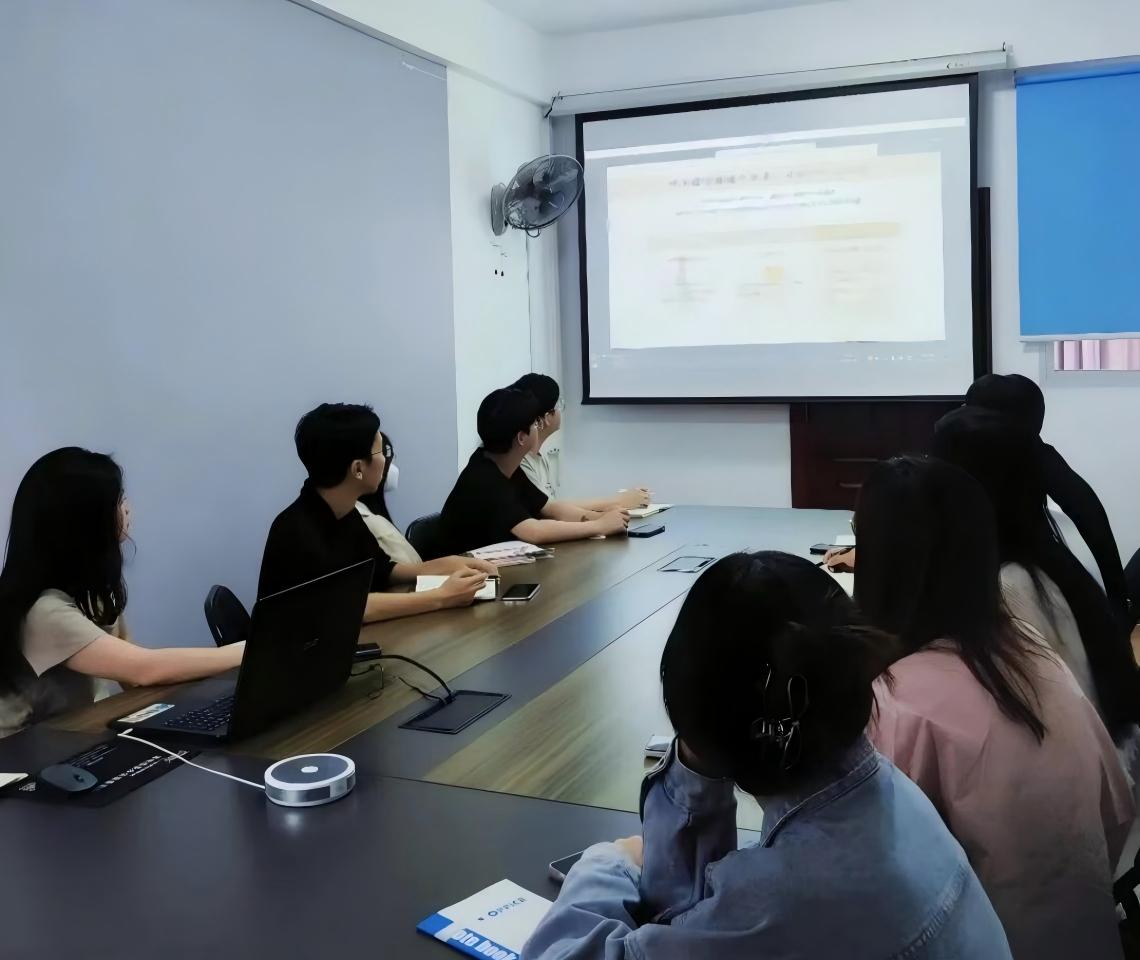
Managing these components efficiently requires planning, communication, and quality coordination throughout the production process. This is one reason why many international buyers evaluate suppliers based not only on production capacity but also on project management capabilities.
The decision between a factory and a trading company is therefore not simply about manufacturing. It is about finding a reliable partner who can support product development, manage production challenges, and help maintain consistent quality over time.
Before comparing advantages and disadvantages, it helps to understand what these business models actually do.
In practice, the distinction is not always as clear as many buyers assume.
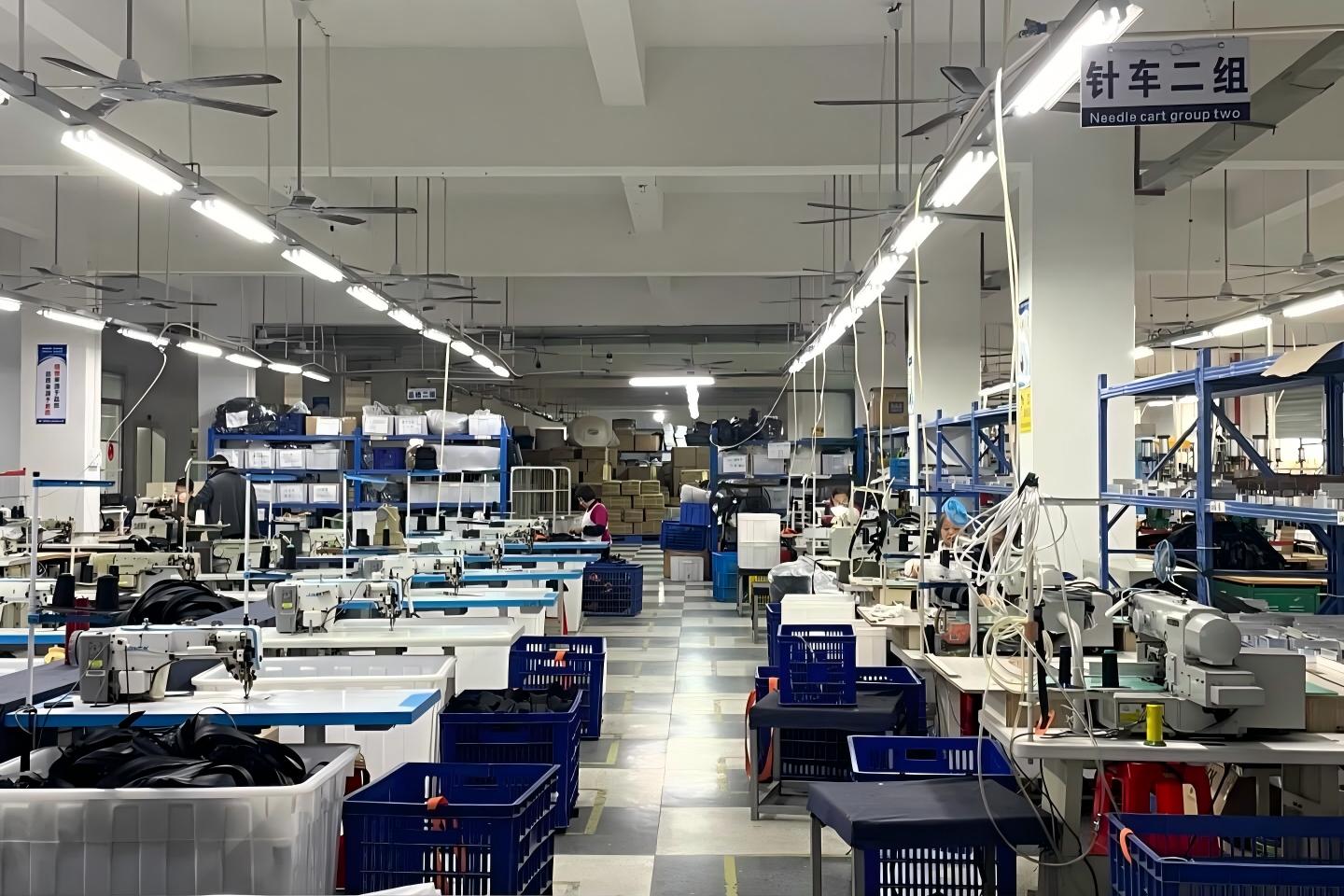
A factory is a manufacturing business that produces products using its own equipment, workers, and production facilities.
In the cosmetic bag industry, factories may specialize in particular categories, such as:
Their responsibilities typically include:
Factories often invest heavily in machinery, production teams, and operational management. Some factories focus on high-volume standardized production, while others offer custom OEM and private label services.
For buyers with stable designs and predictable order quantities, direct factory relationships can provide advantages.
However, production specialization means that not every factory is suitable for every project.
A factory experienced in canvas tote bags may not have extensive expertise in premium cosmetic bags with complex structures and luxury hardware.
Likewise, a factory producing simple promotional pouches may not be the ideal partner for high-end beauty packaging projects.
Understanding a factory’s product specialization is often more important than simply confirming whether they own production equipment.
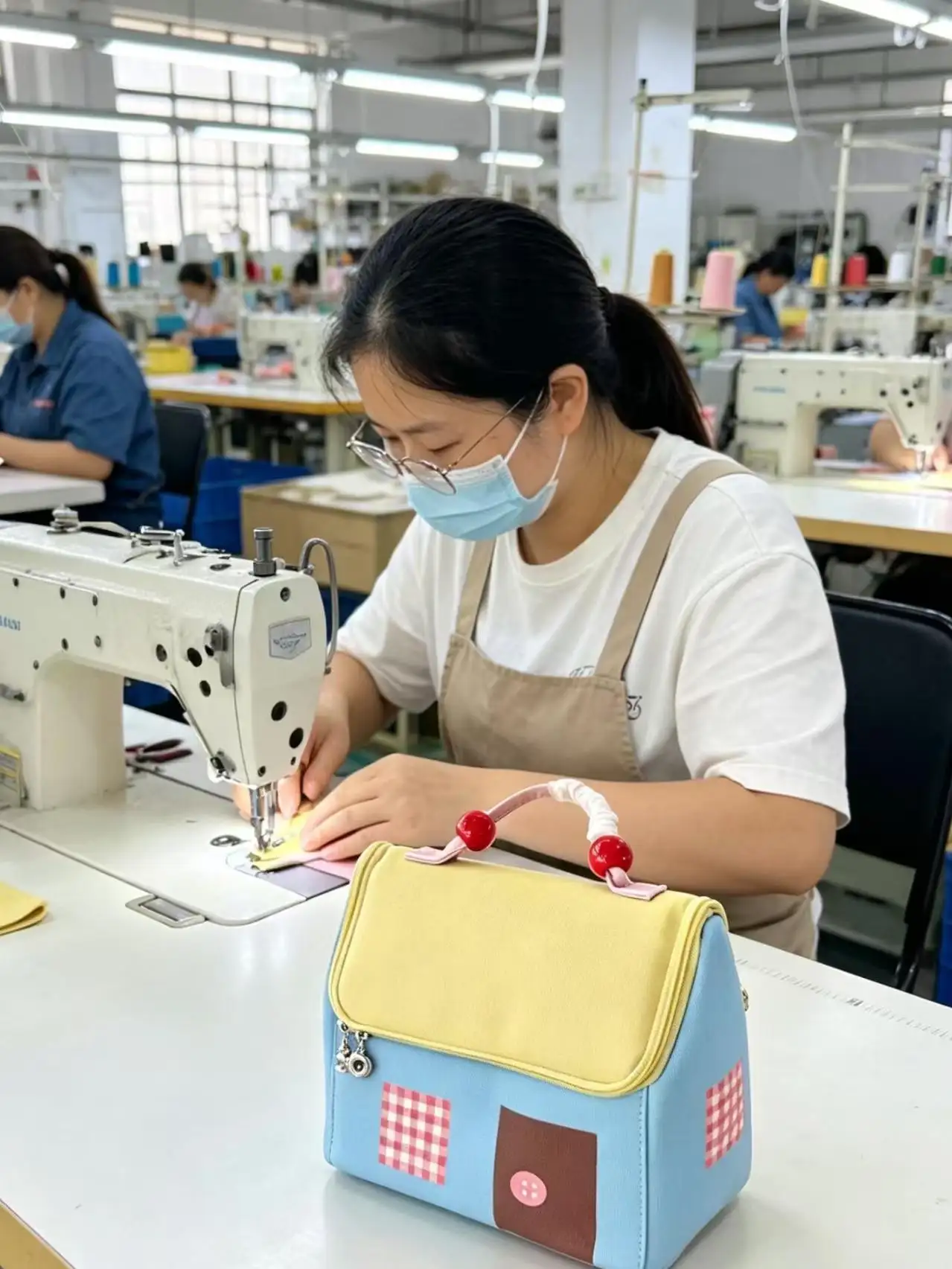
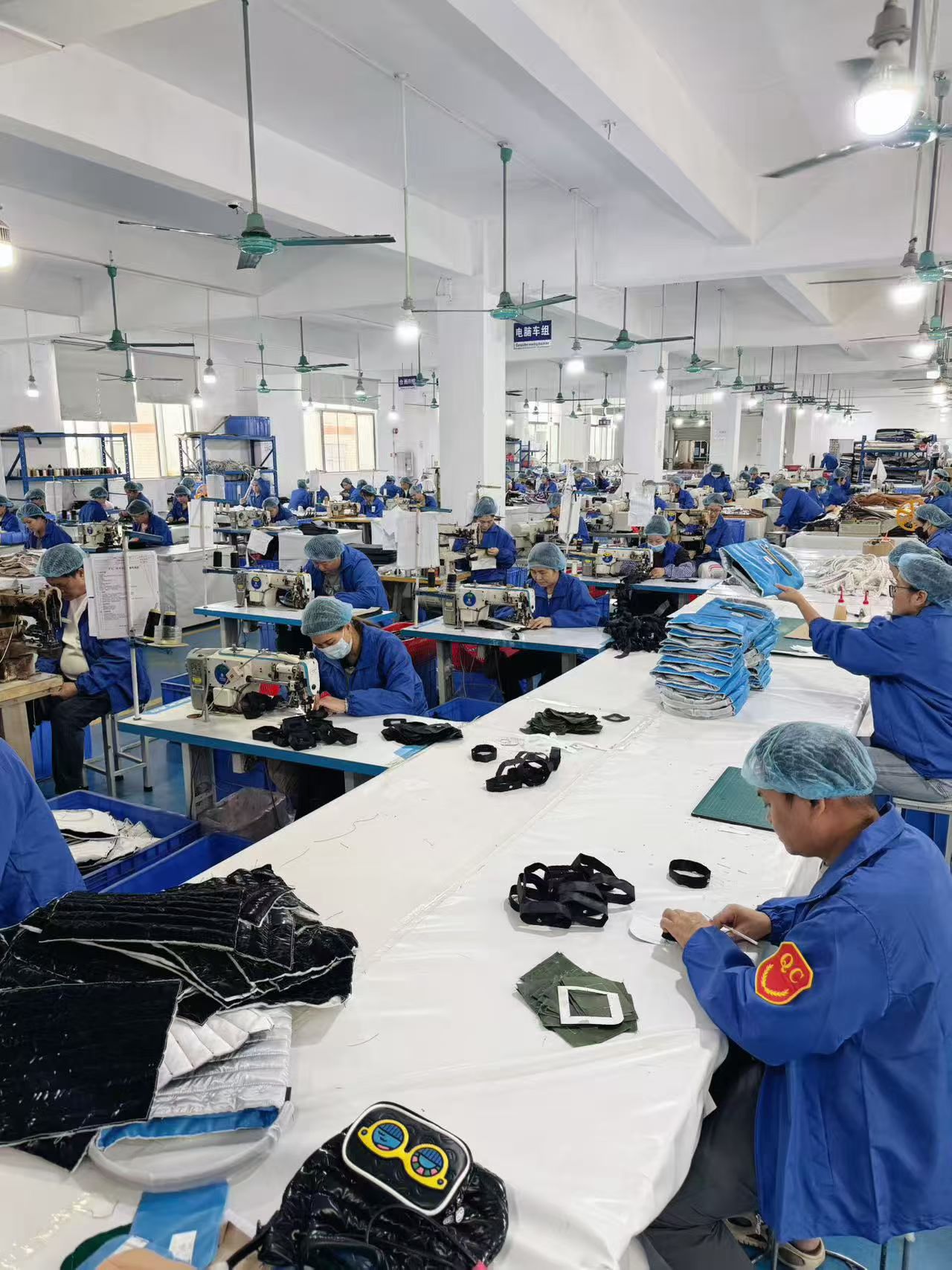
Many people assume a trading company simply buys products from factories and resells them.
In reality, business models vary significantly.
Some trading companies focus primarily on price negotiation and order placement. Others specialize in supply chain coordination and product development.
For custom cosmetic bags, a sourcing and manufacturing partner may help buyers by:
Instead of relying on a single production resource, they may work with a network of specialized manufacturing partners. This approach can offer greater flexibility for projects involving different materials, structures, and production techniques.
The effectiveness of this model depends largely on the sourcing team’s product knowledge, communication skills, and manufacturing experience.
For many buyers, the question is therefore not:
“Factory or trading company?”
But rather:
“Which partner understands my product and can support my business goals?”
Instead of asking:
“Are you a factory?”
Consider asking:
These questions often provide more useful insights than a simple business classification.
The choice between a factory and a trading company is rarely black and white. Both models have strengths. Both have limitations. The right decision depends on your product, order size, customization requirements, and long-term sourcing strategy.
When sourcing custom cosmetic bags from China, many buyers naturally start by looking for a factory.
The idea is straightforward. If products come directly from the manufacturer, costs should be lower, communication should be simpler, and production should be easier to control.
In some situations, this assumption is correct. For buyers with clear product specifications and stable purchasing plans, direct factory cooperation can be an effective solution.
However, understanding both the strengths and the limitations of factory sourcing can help buyers make more informed decisions.
Factories often focus on producing specific product categories. For example, one factory may specialize in:
Another may primarily manufacture:
A factory with extensive experience in cosmetic bags may already understand many common production requirements. Examples include:
This experience can help improve production efficiency and reduce technical issues. However, specialization also means that not every factory is suitable for every type of project. A factory producing simple promotional pouches may not be the ideal choice for premium beauty collections requiring luxury materials and detailed craftsmanship.
For buyers, it is often more important to evaluate a factory’s product experience than simply confirming that they own production equipment.
Instead of asking:
“Are you a factory?”
Consider asking:
“How many cosmetic bag projects similar to ours have you completed?”
Previous experience with comparable products often provides more useful information than business type alone.
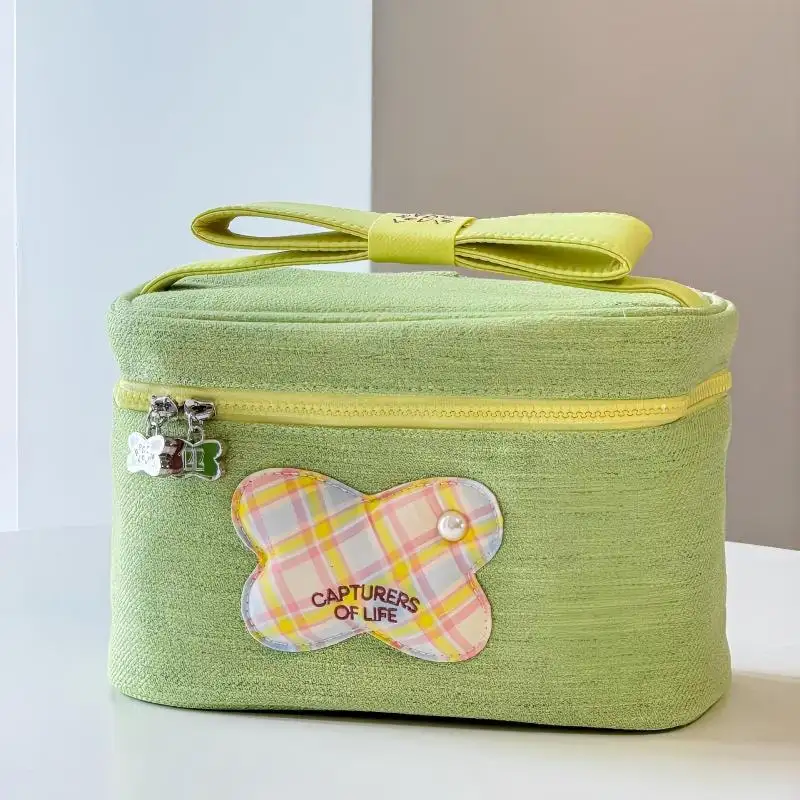
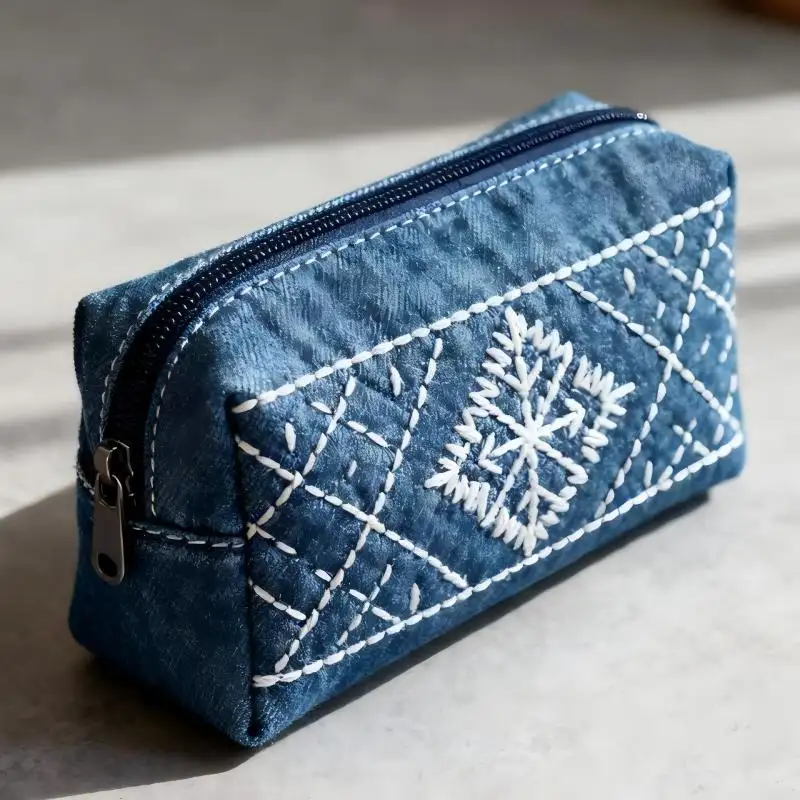
Price is one of the main reasons buyers look for factories. Direct manufacturing can reduce certain costs by shortening the supply chain. For standardized products with large order quantities, factories may offer competitive pricing. This can be particularly beneficial for:
However, focusing only on the lowest unit price may not always produce the lowest overall sourcing cost. A lower product price can sometimes be offset by:
Many experienced importers evaluate sourcing costs based on the complete project rather than a single quotation.
Imagine two suppliers.
Supplier A offers a unit price of $3.20.
Supplier B offers a unit price of $3.50.
At first glance, Supplier A appears cheaper.
But if Supplier A requires:
The overall project cost may become significantly higher. The lowest quotation does not always represent the lowest sourcing cost. For many businesses, reliability and consistency create greater long-term value than small differences in unit pricing.
Factories can often handle substantial production volumes. For businesses with predictable demand, this can be an important advantage.
Production capacity may support:
However, production capacity should not be confused with production flexibility. A factory optimized for large-volume manufacturing may not always prioritize smaller development projects. This is one reason many buyers discuss minimum order quantities before beginning product development.
MOQ stands for Minimum Order Quantity. Factories establish MOQs for practical production reasons.
These may include:
Different cosmetic bag styles may require different MOQs depending on:
Buyers should view MOQ as part of production planning rather than simply a pricing barrier.
You can ask:
Understanding these details early can help avoid unexpected costs later.
Many buyers assume that working directly with a factory automatically simplifies communication. In practice, communication quality varies significantly.
A production manager may understand manufacturing. A sales representative may understand pricing. A technician may understand construction details. Coordinating information between departments can sometimes create misunderstandings.
For custom cosmetic bags, communication often involves:
Clear documentation and organized project management often become just as important as manufacturing itself.
Factories are primarily designed for production. Product development may require additional coordination. For new projects, buyers often need support with:
Some factories offer extensive development services. Others focus primarily on manufacturing approved designs. Understanding these capabilities early can improve project planning.
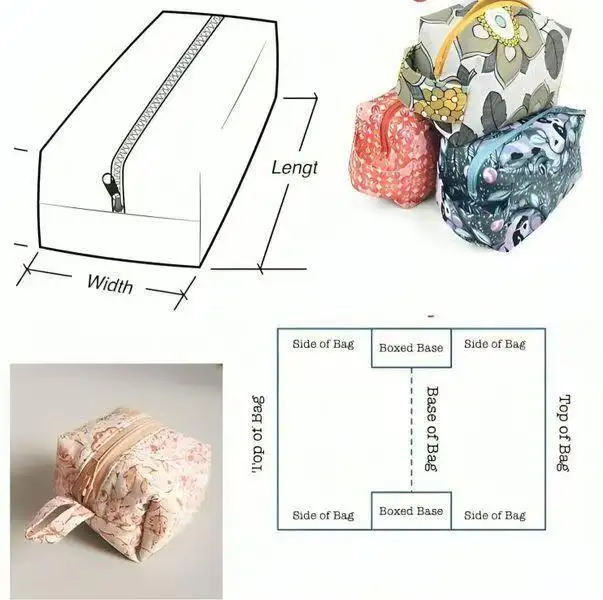
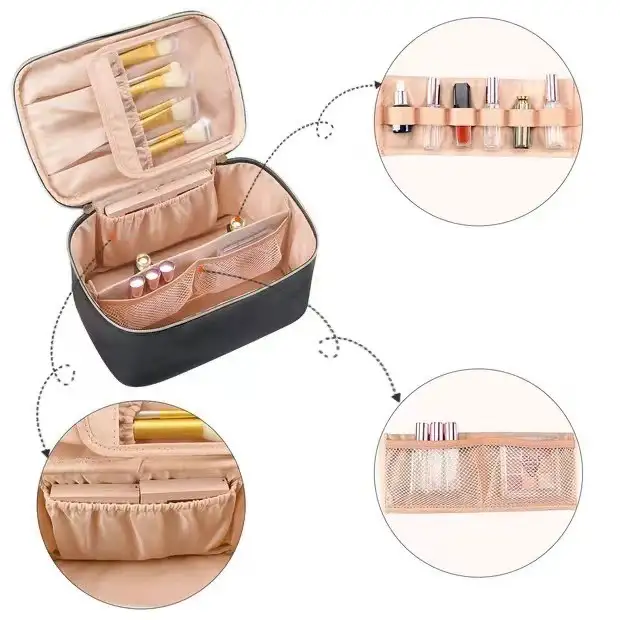
This is one of the biggest misconceptions in sourcing. Many buyers expect one factory to handle every aspect of production. In reality, specialization is common throughout the bag industry.
Different factories may have different strengths.
Some excel at canvas products. Others specialize in tremium PU cosmetic bags. Some focus on travel organizers. Others have expertise in luxury packaging or waterproof constructions.
Working directly with a factory can offer important advantages, including specialized manufacturing experience, competitive pricing, and strong production capacity.
At the same time, successful sourcing depends on much more than factory ownership, like:
These factors all contribute to the overall success of a custom cosmetic bag project. The most effective sourcing strategy is rarely based on price alone. It is based on finding a partner who can support your product goals and business growth over time.
Choosing a manufacturing partner with relevant product experience often produces better results than selecting the largest available factory.
In real sourcing practice, the decision between a factory and a trading company is often not a strict either-or choice. Many experienced buyers gradually realize that the most important factor is not the label of the supplier, but the capability behind the sourcing process.
For custom cosmetic bags, the supply chain is often more complex than it appears. A single product may involve:
In such cases, the ability to coordinate different manufacturing resources becomes just as important as production itself. This is where a sourcing and manufacturing partner plays a different role compared to a single factory.
A sourcing partner does not necessarily replace a factory. Instead, they work as a coordination layer between product requirements and manufacturing capabilities.
For custom cosmetic bags, this typically includes:
1. Product Development Support
Helping buyers refine product ideas into manufacturable specifications. This may include:
2. Factory Matching
Different factories have different strengths. A sourcing partner may coordinate with multiple manufacturing facilities depending on:
This approach allows each project to be matched with the most suitable production environment.
3. Sample Management
Sampling is often one of the most time-consuming parts of custom cosmetic bag development. A sourcing partner helps manage:
This reduces miscommunication between buyers and production teams.
4. Production Coordination
During bulk production, sourcing partners may assist in:
This becomes especially important for complex or multi-component products.
5. Quality Control Coordination
Instead of relying on a single inspection point, quality control can be managed throughout the production process.
This may include:
A structured QC process helps reduce risk and improve consistency.

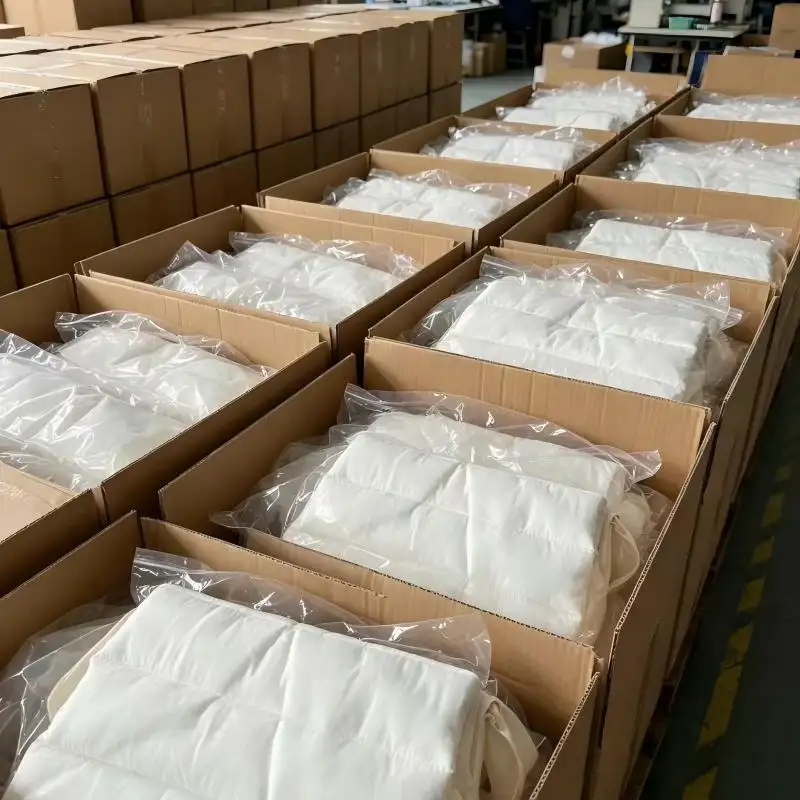
As sourcing experience increases, many buyers begin to shift their expectations.
Instead of focusing only on:
They begin to prioritize:
This shift is particularly common among:
For these buyers, product success depends less on a single factory and more on how efficiently the entire supply chain is managed.
Consider a custom cosmetic bag project for a beauty brand.
The product requires:
In a traditional factory-only model:
In a sourcing network model:
The result is not necessarily lower cost, but often:
One common misconception is that all trading companies simply add unnecessary cost without adding value.
In reality, there are different types of sourcing partners. Some focus only on price arbitrage. Others operate more like:
The value of a sourcing partner depends on what they actually do in the supply chain. For custom cosmetic bags, where product customization is extensive, coordination often becomes a critical part of successful execution.
Working with a sourcing and manufacturing partner may be more suitable when:
Early-stage product development requires:
Such as:
Different product types require different manufacturing capabilities.
Especially for:
Instead of managing multiple suppliers independently.
In modern global sourcing, success is rarely determined by choosing between “factory” or “trading company”. Instead, it depends on:
How effectively your sourcing partner can translate product ideas into stable, manufacturable, and scalable production outcomes.
For custom cosmetic bags, this often requires a combination of:
The traditional boundary between factory and trading company is becoming less important in today’s sourcing environment. What matters more is the capability to manage the full product lifecycle—from concept to production to delivery.
For many brands and retailers, especially in the cosmetic and travel accessory category, working with a specialized sourcing and manufacturing partner provides greater flexibility and more consistent execution across different product requirements.
In the final section, we will summarize the key decision framework and provide a practical guide to help buyers choose the right sourcing model for their business.
After understanding the differences between factories, trading companies, and sourcing partners, the next question is naturally:
Which option is better for my specific project?
The answer is not universal.
In the cosmetic bag industry, the most suitable sourcing model depends on several practical factors, including your product complexity, order volume, customization requirements, and long-term business goals. Instead of focusing only on the type of supplier, it is more effective to evaluate how well a supplier can support your project from development to production to delivery. Below is a practical framework that can help you make a more informed decision.
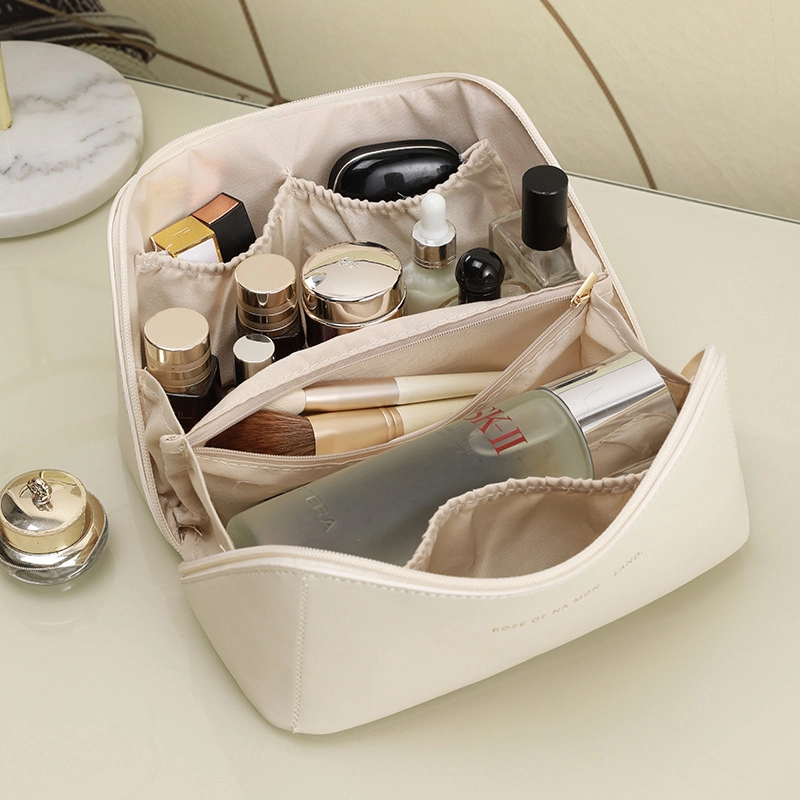
Not all cosmetic bags are the same.
Some are simple promotional items, while others are highly customized retail products with multiple components.
These may include:
For these products, a direct factory model may often be sufficient, especially when:
These may include:
For these products, additional coordination is usually required, such as:
In such cases, a sourcing and manufacturing partner can help manage multiple production elements more efficiently.
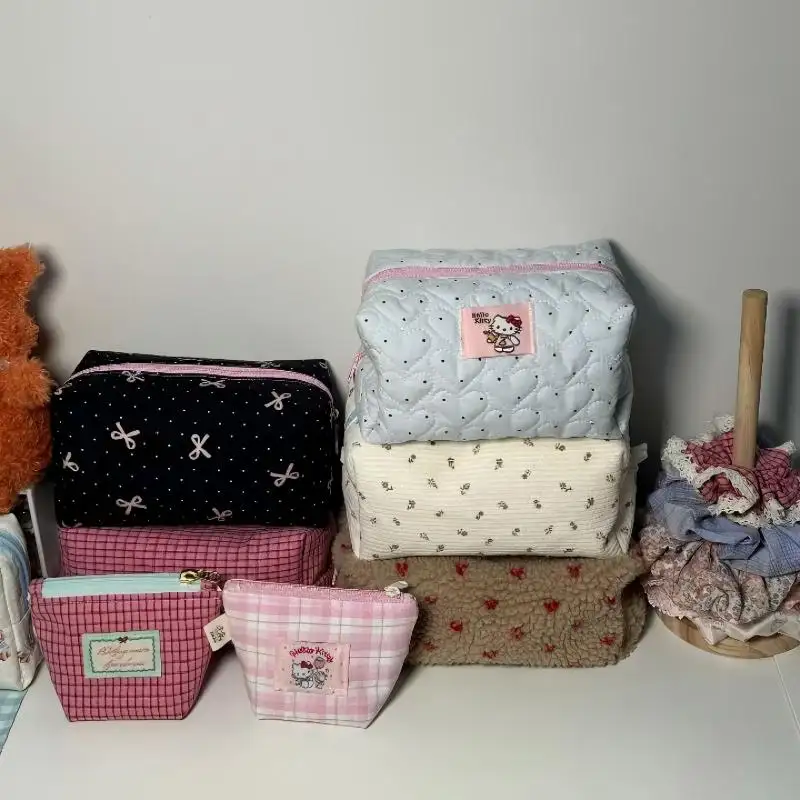
Order volume plays an important role in supplier selection.
Typically suitable for:
Factories are often well-suited for stable, high-volume production because:
Common for:
In these cases, flexibility becomes more important than scale.
A sourcing partner may help by:
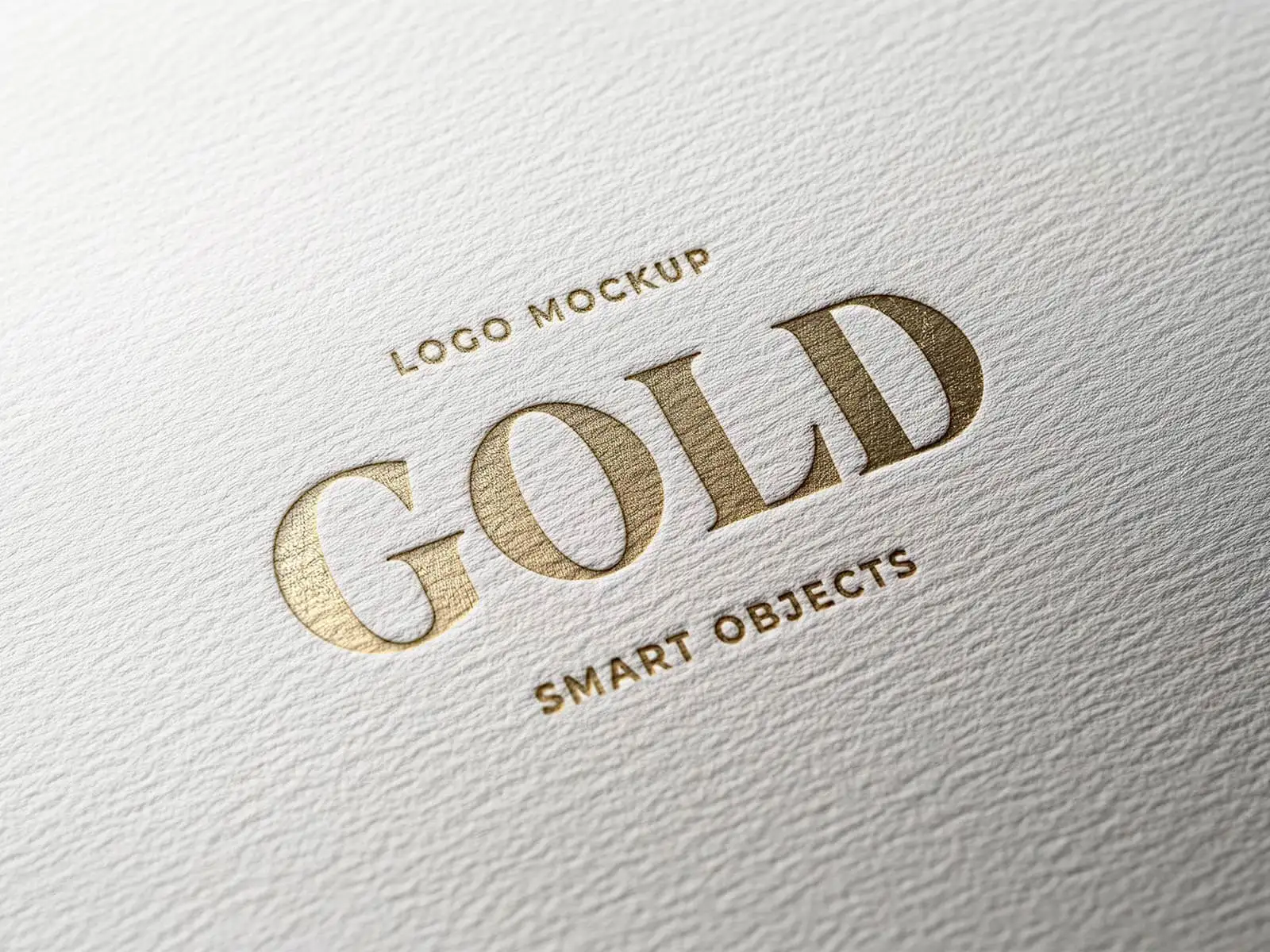
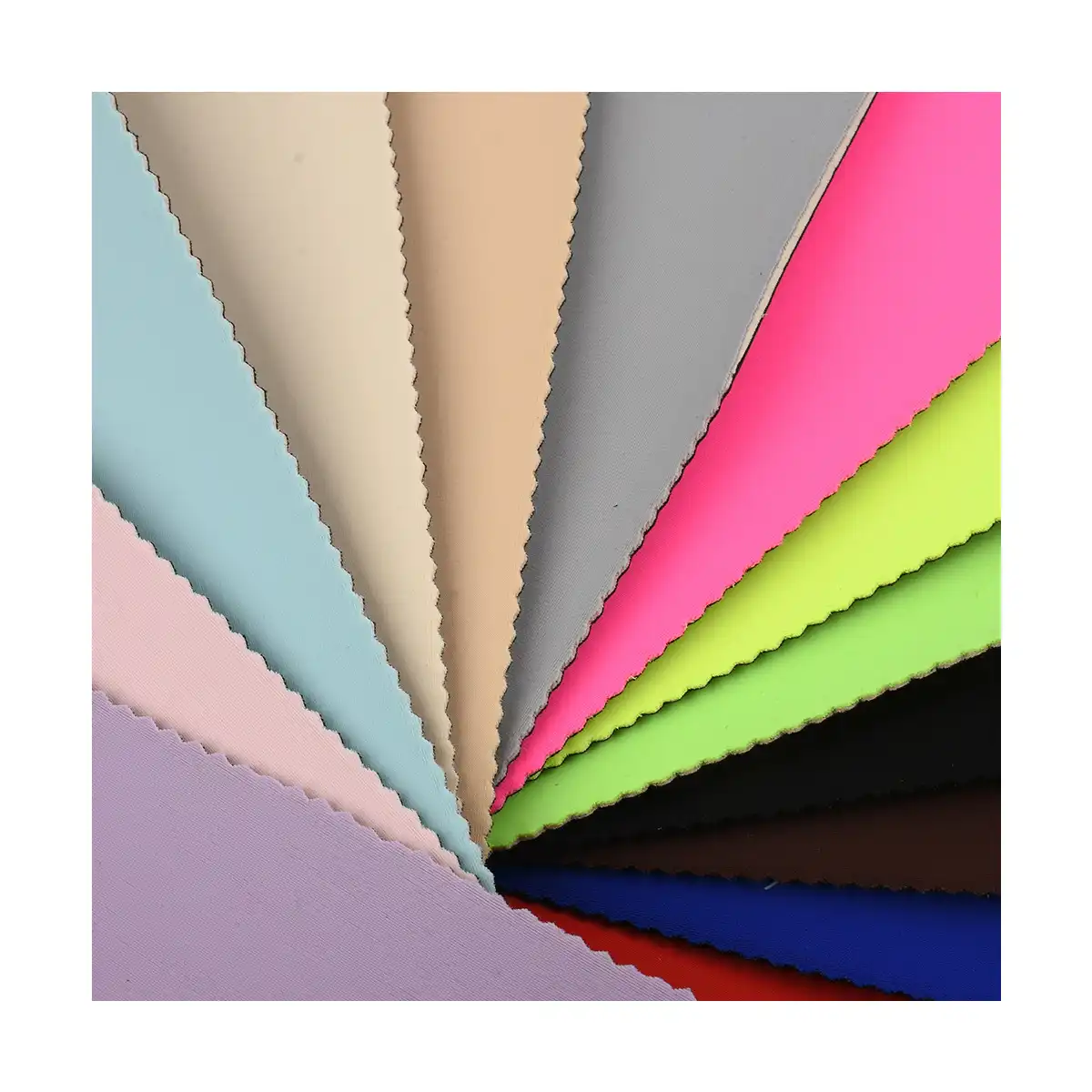
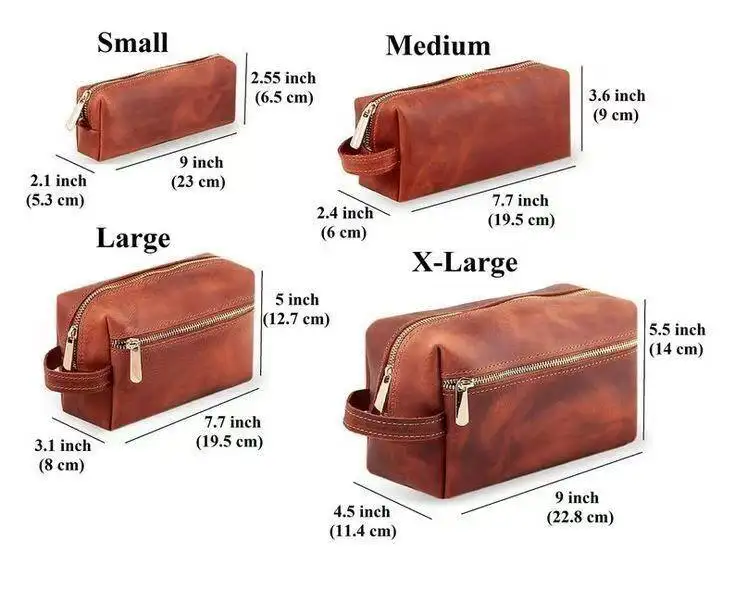
Customization is one of the biggest factors in cosmetic bag sourcing.
This level is usually manageable by most factories.
The more customization required, the more coordination is needed across different production resources.
As customization increases, the sourcing challenge shifts from “production ability” to “coordination ability.” This is where sourcing partners often add value by managing multiple manufacturing inputs.
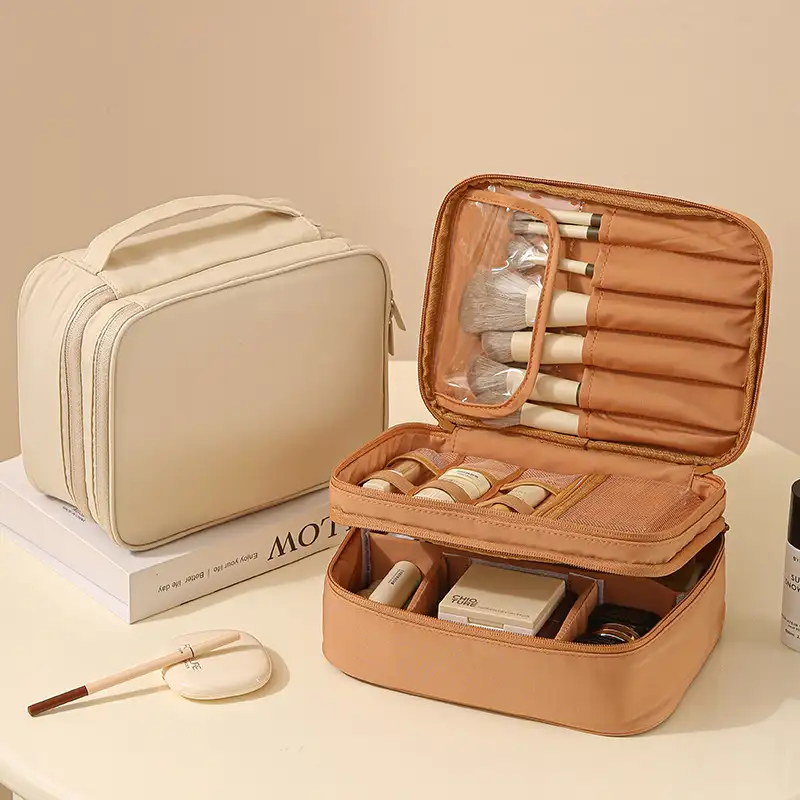
Speed is often underestimated in sourcing decisions.
However, in competitive markets such as beauty and lifestyle products, timing can directly affect sales performance.
A slower but cheaper supplier may result in:
In contrast, a well-coordinated sourcing process can significantly reduce development friction.
Sourcing decisions should not only focus on a single order.
Many successful brands build long-term product lines with consistent suppliers.
Ask yourself:
A long-term partner is often more valuable than a one-time low-cost supplier.
Before choosing a supplier, consider the following questions:
To simplify the decision:
The question is not simply “factory or trading company.”
The real question is:
Which sourcing model best supports your product goals and business growth strategy?
For custom cosmetic bags, where materials, structure, branding, and packaging all play important roles, the most successful sourcing outcomes often come from partners who understand both manufacturing and product development.
If you are developing custom cosmetic bags, toiletry bags, or travel organizers, and need support from sampling to production, we can help you coordinate the entire process through a reliable manufacturing network in China.
We work with different specialized factories depending on product requirements, ensuring each project is matched with the most suitable production capability.
